
Your website is more than just a digital business card—it’s your most powerful marketing asset. It’s where first impressions are formed, trust is built, and conversions happen. In a competitive digital landscape, businesses can no longer afford to treat web design as an afterthought. Instead, it should be seen as a strategic investment that directly impacts visibility, credibility, and revenue.
At Hyper Digital Agency, we believe great design is a balance of creativity, usability, and performance. In this guide, we’ll walk you through the 10 website design principles every business should know—principles that can transform your site into a growth-driving machine.

1. User-Centered Design
Your website exists for your audience—not just for you. Every element should be designed with the user in mind, from layout to navigation.
Key considerations:
- Understand your audience: What problems do they need solved? What language do they use?
- Prioritize usability: Menus, buttons, and content flow should feel intuitive.
- Mobile-first thinking: Since most traffic is mobile, ensure design adapts seamlessly.
Example: A local restaurant’s site that features easy-to-tap menus, location info, and an instant “reserve now” button will always outperform a cluttered, desktop-first layout.

2. Clear Navigation
If visitors can’t find what they’re looking for, they’ll leave. Navigation should be simple, consistent, and predictable.
Best practices:
- Keep main menus under 7 items.
- Include a clear call-to-action (e.g., “Book a Call,” “Shop Now”).
- Add breadcrumbs or search bars for larger sites.
Pro Tip from Hyper Digital Agency: Use sticky navigation bars so visitors never lose access to key links while scrolling.

3. Visual Hierarchy
Design should guide users’ eyes naturally. Visual hierarchy is about arranging elements so the most important ones stand out.
Techniques:
- Use size and color contrast to emphasize calls-to-action.
- Place key messages at the top and left (where eyes land first).
- Break content into scannable sections with headings and visuals.
Why it matters: Without hierarchy, even the best content gets overlooked.
4. Responsive & Mobile Optimization
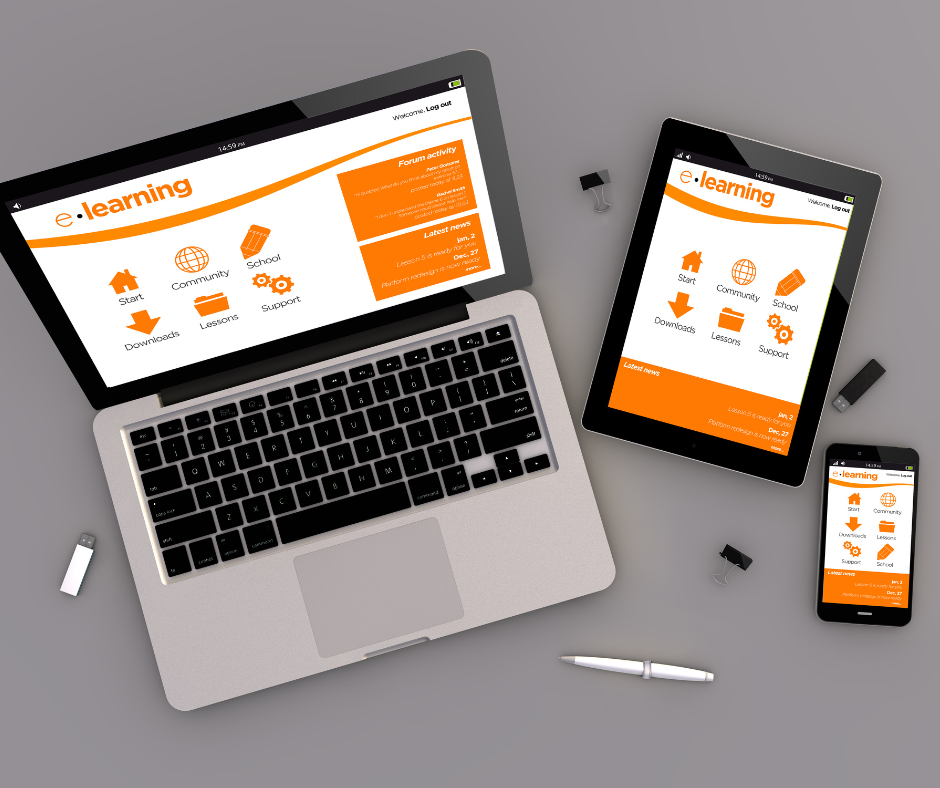
Over 60% of website traffic globally comes from mobile devices. A site that looks perfect on desktop but breaks on a smartphone is losing potential customers.
Core principles:
- Fluid grids and flexible images ensure consistency across devices.
- Optimize font sizes and button spacing for smaller screens.
- Test on multiple devices regularly.
Case in point: We redesigned a client’s ecommerce site for mobile-first viewing, leading to a 32% increase in mobile sales within 3 months.

5. Fast Load Speed
A slow website is a dealbreaker. Studies show that 53% of users abandon sites that take longer than 3 seconds to load.
Tips to improve speed:
- Compress images and videos.
- Use caching and Content Delivery Networks (CDNs).
- Minimize code bloat (CSS, JavaScript).
Pro Tip: Tools like Google PageSpeed Insights can reveal speed issues instantly.

6. Consistent Branding
Your website should feel like an extension of your brand. Colors, fonts, tone, and imagery must align with your identity.
Elements to standardize:
- Brand colors and typography.
- Logo placement (usually top left).
- Visual style of images and graphics.
- Voice and messaging tone.
Impact: Consistency builds trust and recognition—two essentials for customer loyalty.

7. Accessibility & Inclusivity
A well-designed website should be usable by everyone, including people with disabilities. Accessibility isn’t just ethical—it’s often a legal requirement.
How to make your site accessible:
- Add alt text for images.
- Use sufficient color contrast.
- Ensure navigation works with screen readers.
- Provide captions for video/audio content.
Hyper Digital Agency’s Approach: We embed accessibility checks into every design process to ensure inclusivity and compliance.

8. Compelling Content Layout
Design and content go hand in hand. A clean layout makes content digestible, while strong copy keeps visitors engaged.
Best practices:
- Break text into short paragraphs.
- Use bullet points for readability.
- Pair copy with relevant visuals.
- Prioritize storytelling over jargon.
Pro Tip: Place your value proposition above the fold—users should instantly know who you are and what you do.

9. Strong Calls-to-Action (CTAs)
A beautiful site is useless without conversions. CTAs guide visitors toward desired actions, like signing up, purchasing, or booking.
CTA tips:
- Make buttons bold and contrasting.
- Use action-oriented language (e.g., “Start My Free Trial”).
- Position CTAs throughout the site, not just at the bottom.
Example: One of our SaaS clients boosted lead sign-ups by 40% after reworking CTA placement and wording.

10. SEO-Friendly Structure
A well-designed site should not only please humans but also search engines. SEO-driven design ensures visibility and traffic growth.
Essential elements:
- Keyword-optimized headings and content.
- Fast load speed and mobile optimization (Google ranking factors).
- Clear URL structures and internal linking.
- Meta tags and schema markup.
Why it matters: Without SEO integration, your site may look great—but remain invisible.
Conclusion: Turning Principles into Performance
Web design isn’t just about aesthetics—it’s about business growth. By applying these 10 principles, businesses can create websites that not only look good but also deliver measurable results.
At Hyper Digital Agency, we specialize in building websites that combine stunning visuals, seamless user experience, and performance-driven strategies. Whether you’re launching a new site or revamping an old one, our team ensures your website becomes your #1 marketing asset.