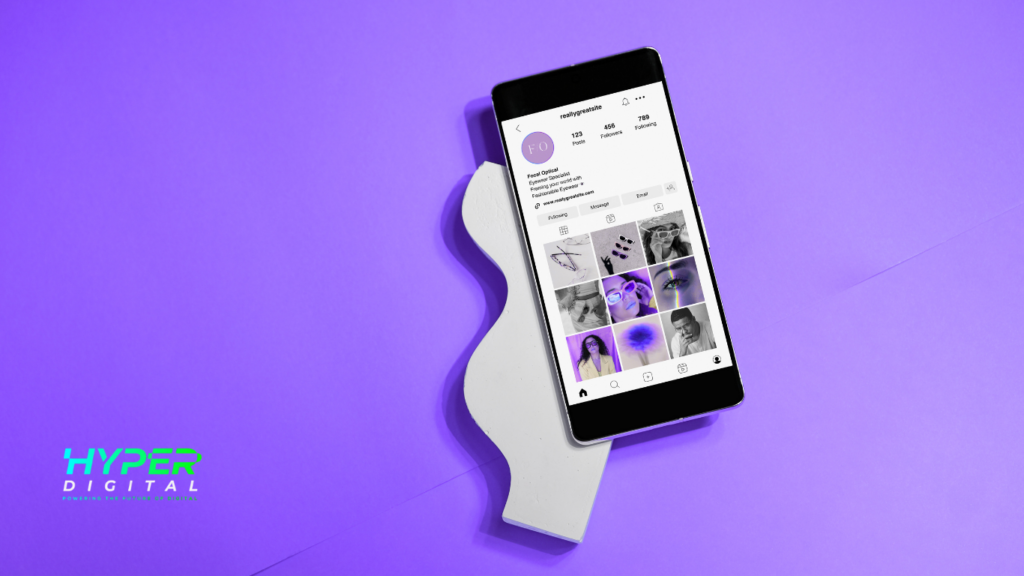
Social media has become one of the most important tools for modern business growth. It allows companies to increase visibility, connect with audiences, build trust, and generate leads on a scale that was once impossible through traditional marketing alone.
However, while millions of businesses actively use social media platforms, many still struggle to achieve meaningful results. Some businesses post consistently yet see little engagement. Others invest time and money into content creation without generating quality leads or conversions. In many cases, the problem is not the platform itself — it’s the strategy behind how social media is being used.
Social media marketing is no longer just about posting content online. Today, successful businesses approach social media strategically, with clear branding, consistent messaging, audience understanding, and long-term growth goals.
At Hyper Digital Agency, we often see businesses making the same avoidable mistakes that limit their growth potential and weaken their digital presence. The good news is that these mistakes can be corrected with the right strategy and systems in place.
In this article, we’ll explore some of the biggest social media marketing mistakes businesses make, why these issues hurt long-term growth, and how businesses can build more effective social media strategies moving forward.
Mistake #1: Posting Without a Clear Strategy
One of the most common mistakes businesses make is posting content without a clear purpose or direction.
Many businesses approach social media reactively. They post when they have time, follow trends randomly, or upload content simply to remain active online. While this may create temporary activity, it often fails to support meaningful business goals.
Without strategy, content becomes inconsistent and disconnected.
A strong social media strategy should define:
- Business objectives
- Target audience
- Content themes
- Brand messaging
- Platform goals
- Conversion opportunities
Every piece of content should support a larger purpose rather than simply filling a feed.
Strategic content creates stronger audience connection and more sustainable long-term growth.
Mistake #2: Inconsistent Branding and Messaging
Strong branding is one of the most important elements of successful social media marketing.
However, many businesses use inconsistent visuals, messaging, or tone across platforms. This creates confusion and weakens brand recognition.
Inconsistent branding may include:
- Different logo styles
- Unaligned color palettes
- Mixed messaging
- Unclear tone of voice
- Inconsistent design quality
When audiences encounter inconsistent branding, businesses often appear less professional and less trustworthy.
Strong brands are recognizable because they maintain consistency across every platform and interaction.
Businesses should ensure their social media presence reflects:
- Clear brand identity
- Cohesive visuals
- Consistent messaging
- Professional presentation
Consistency builds familiarity, and familiarity builds trust.
Mistake #3: Focusing Only on Selling
One of the fastest ways to lose audience interest on social media is constantly pushing promotions without providing value.
Many businesses treat social media purely as a sales platform. Every post becomes an advertisement, making content repetitive and unengaging.
Modern audiences want more than promotions. They want:
- Valuable insights
- Helpful information
- Entertainment
- Authenticity
- Human connection
Social media should focus on relationship-building first and selling second.
Businesses that consistently provide value through educational, informative, or relatable content often build stronger trust and long-term customer loyalty.
Promotional content should be balanced with content that helps audiences learn, connect, or engage.
Mistake #4: Ignoring Audience Engagement
Social media is not just about posting content — it’s about building conversations and relationships.
Many businesses focus heavily on content creation while neglecting engagement with their audience.
Ignoring:
- Comments
- Direct messages
- Questions
- Audience feedback
can make businesses appear disconnected or uninterested.
Engagement is important because it helps businesses:
- Build stronger customer relationships
- Improve audience trust
- Increase visibility through platform algorithms
- Create community around the brand
Businesses that actively engage with their audience often create stronger emotional connection and customer loyalty over time.
Social media should feel interactive, not one-sided.
Mistake #5: Chasing Trends Without Relevance
Trends can increase visibility, but blindly following every trend often weakens brand identity.
Many businesses chase viral content or trending formats without considering whether the content aligns with:
- Their audience
- Their services
- Their brand voice
- Their long-term goals
As a result, content may gain temporary views but fail to attract qualified leads or strengthen brand credibility.
Strategic social media marketing prioritizes relevance over temporary attention.
Businesses should participate in trends selectively and ensure the content still reflects their brand identity and business objectives.
Not every trend is worth following.
Mistake #6: Inconsistent Posting
Consistency plays a major role in social media success.
Many businesses post heavily for a short period, then disappear for weeks or months due to lack of planning or overwhelm.
This inconsistency hurts:
- Audience engagement
- Brand visibility
- Platform performance
- Customer trust
Social media platforms reward accounts that maintain regular activity and audience interaction.
Consistency does not necessarily mean posting every day. It means creating a sustainable content schedule that businesses can maintain long-term.
Strategic planning and content calendars help businesses remain active without constantly scrambling for content ideas.
Mistake #7: Prioritizing Vanity Metrics Over Business Goals
Many businesses focus too heavily on likes, followers, or views while ignoring metrics that actually support business growth.
While engagement is important, large audiences do not automatically translate into revenue or quality leads.
Businesses should focus on metrics that align with larger objectives, such as:
- Website traffic
- Lead generation
- Conversion rates
- Customer inquiries
- Audience retention
- Brand engagement quality
A smaller audience of highly engaged and relevant followers is often far more valuable than a large but disconnected audience.
Social media success should be measured by business impact, not just popularity.
Mistake #8: Weak or Unclear Calls to Action
Many businesses create content that generates attention but fails to guide audiences toward meaningful action.
Without clear direction, users may engage with content but never take the next step.
Effective social media content should encourage actions such as:
- Visiting a website
- Booking a consultation
- Sending a message
- Signing up for a newsletter
- Making a purchase
Strong calls to action help move audiences through the customer journey.
Businesses should make it easy for users to understand:
- What action to take
- Why it matters
- What happens next
Clear direction improves conversion opportunities significantly.
Mistake #9: Poor Visual Quality
Social media is highly visual, and poor-quality design can weaken credibility instantly.
Businesses often underestimate the importance of:
- Professional graphics
- Consistent layouts
- Strong visual branding
- High-quality imagery
Low-quality visuals can make even excellent businesses appear unprofessional or outdated.
Strong visual presentation helps businesses:
- Build trust
- Improve brand recognition
- Increase engagement
- Stand out from competitors
Professional and cohesive design creates stronger first impressions and improves overall audience perception.
Mistake #10: Neglecting Analytics and Performance Tracking
Many businesses post content without analyzing performance data.
Without tracking metrics, businesses often continue repeating ineffective strategies because they lack insight into:
- What content performs best
- Which platforms generate stronger results
- What audiences engage with most
- Which campaigns support conversions
Analytics help businesses make smarter decisions and improve performance over time.
Strategic social media management involves regular evaluation and optimization based on real audience behavior rather than assumptions.
Data-driven strategies create stronger long-term marketing efficiency.
Mistake #11: Trying to Be Everywhere at Once
Many businesses believe they need to dominate every social media platform simultaneously.
As a result, they spread themselves too thin, leading to:
- Burnout
- Inconsistent content quality
- Weak engagement
- Poor strategy execution
Not every platform is necessary for every business.
Strategic social media management focuses on identifying:
- Where your audience spends time
- Which platforms align with your content style
- Which channels support your business goals best
It is often more effective to manage fewer platforms strategically than many platforms poorly.
Mistake #12: Lack of Long-Term Vision
One of the biggest mistakes businesses make is expecting immediate results from social media marketing.
Social media growth is rarely instant.
Building:
- Brand recognition
- Audience trust
- Customer loyalty
- Strong engagement
takes time and consistency.
Businesses that constantly change strategies or stop posting because results are not immediate often struggle to build momentum.
Long-term growth comes from consistent visibility and strategic relationship-building over time.
Social media should be viewed as a long-term business investment, not a short-term tactic.
Why Strategic Social Media Management Matters
Strategic social media management transforms social platforms into powerful business growth tools.
Instead of creating random activity, businesses create:
- Stronger branding
- Better audience targeting
- More meaningful engagement
- Improved customer trust
- Higher-quality lead generation
- Sustainable long-term visibility
Strategic management creates structure, consistency, and purpose behind every aspect of social media marketing.
When businesses approach social media intentionally, they create stronger digital presence and more reliable growth opportunities.
How Hyper Digital Agency Helps Businesses Improve Social Media Marketing
At Hyper Digital Agency, we help businesses move beyond inconsistent posting and ineffective marketing tactics.
Our approach focuses on:
- Strategic content planning
- Professional branding and design
- Audience engagement strategies
- Conversion-focused campaigns
- Consistent messaging
- Data-driven optimization
We help businesses create social media systems designed to support long-term visibility, stronger customer relationships, and sustainable business growth.
Rather than chasing short-term trends, we focus on building digital presence that creates lasting results.
Final Thoughts
Social media marketing can be one of the most powerful tools for business growth — but only when approached strategically.
Many businesses struggle not because social media doesn’t work, but because they rely on inconsistent, reactive, or unfocused strategies.
The biggest mistakes businesses make with social media marketing often come down to lack of planning, weak branding, poor engagement, and short-term thinking.
Successful social media marketing requires:
- Clear strategy
- Consistent branding
- Audience understanding
- Valuable content
- Long-term commitment
Businesses that focus on building trust, providing value, and maintaining consistency are far more likely to achieve sustainable growth over time.
Social media is no longer just about visibility. It’s about creating meaningful connections that support real business results.